The International Fair Trade Towns Conference takes place in Belgium this October, as we mark 21 years of the Fair Trade Towns Movement in Belgium.
We all know that current global issues like poverty, inequality, and the climate crisis show that conventional economic approaches are failing, and that fair trade offers a sustainable alternative.
Citizens around the world, Fair Trade Towns, human rights organisations, fair trade labels and enterprises are leading the way in demonstrating that balancing financial, social and ecological success with the wellbeing of people and the planet is possible.
This 19th International Fair Trade Towns Conference gives us the opportunity to come together, following the success of last year’s conference hosted in Edinburgh, Scotland - and to plan our next steps as fair trade campaigners and human rights activists. As a Fair Trade campaigner, activist, policy maker and entrepreneur, your contribution is essential this year in Belgium as we tackle the challenges we face as a movement, along with the local success stories, and the story of fair trade as vital to a new global economy.
Let’s come together on 9-11 October in Brussels from around Belgium, Europe and across the world as local changemakers ready to gain the support needed for systemic change and for global sustainable development.
We are committed to equality, diversity and inclusion and invite representation at this year’s International Fair Trade Towns Conference in Belgium from communities around the world, especially from young people whose voices may often go unheard. Everyone is welcome.
〰
〰
〰 〰
THE programme
See the program
Friday 9 october
〰️
Friday 9 october 〰️
14:00 – 16 :00 EU Fair Trade Policy Dialogue
At a time when the European Union is rethinking how public money is spent, this session highlights how fairness, sustainability, and human rights can be placed at the heart of public procurement.
Organised by the Fair Trade Advocacy Office (FTAO) in Brussels, the dialogue brings together policymakers, local authorities, and Fair Trade experts to explore how public purchasing can support more ethical and sustainable global supply chains.
In this interactive 2-hour session, moderated bij Koen van Troos (Bio Invest Belgium), you can expect:
A brief introduction to the EU policy context, by:
Laura Sauques, Senior Policy Officer, IFOAM Organics Europe
Rafael Mondaers, official at the European Committee of the Regions (CoR)
Inspiring examples from Fair Trade Towns, with:
Two representatives from the City of Paris (France)
Jesper Jones, Municipality of Göteborg (Sweden)
Louise Dahl, Municipality of Malmö (Sweden)
Hafsa El-Bazioui, Municipality of Ghent (Belgium)
Insights from EU institutions and policymakers and companies, with:
Saskia Bricmont, Member of the European Parliament
Samuel Poos, Enabel
Coffee company (to be confirmed)
Lise Carlsen, European Commission, DG GROW
Opportunities for questions and exchange
By connecting policy with practice, the session showcases how local authorities can use procurement as a powerful tool for change, contributing to a shared vision of fair and sustainable trade in Europe.
Join the conversation and help shape a fairer future for global trade.

Representative of the office of Maxime Prévot, Deputy Prime Minister and Minister of Foreign Affairs, European Affairs and Development Cooperation (TBC).
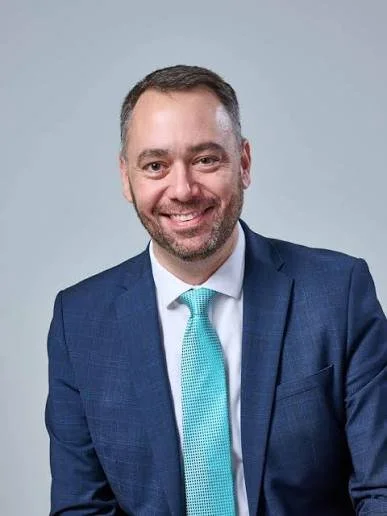
Jean Van Wetter, CEO of Enabel, the Belgian agency for international cooperation. He provides a concrete insight into the impact of Fair Trade in Belgium and worldwide.
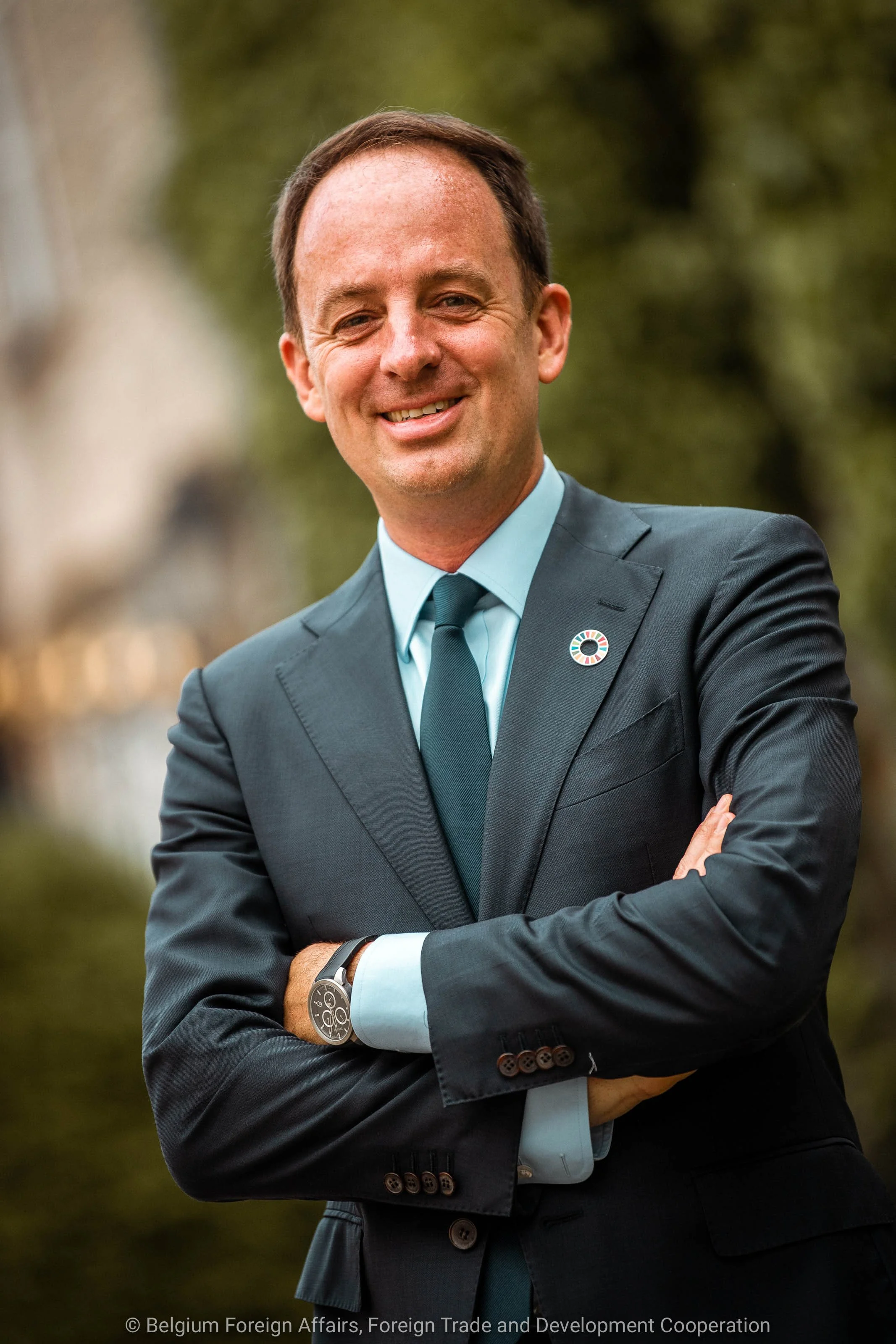
Bianca De Wolf, Coordinator Fair Towns Network Flanders for five years. Under her leadership, she has revitalised, rejuvenated and renewed the Flanders movement, resulting in new initiatives, campaigns and a Youth Ambassador programme. She is the initiator of this international conference. To kick off the conference, she will present a brief but powerful case for greater international solidarity and a fair and sustainable economic model as a response to the current conflicts, the climate crisis and the ever-widening inequality in our global society.
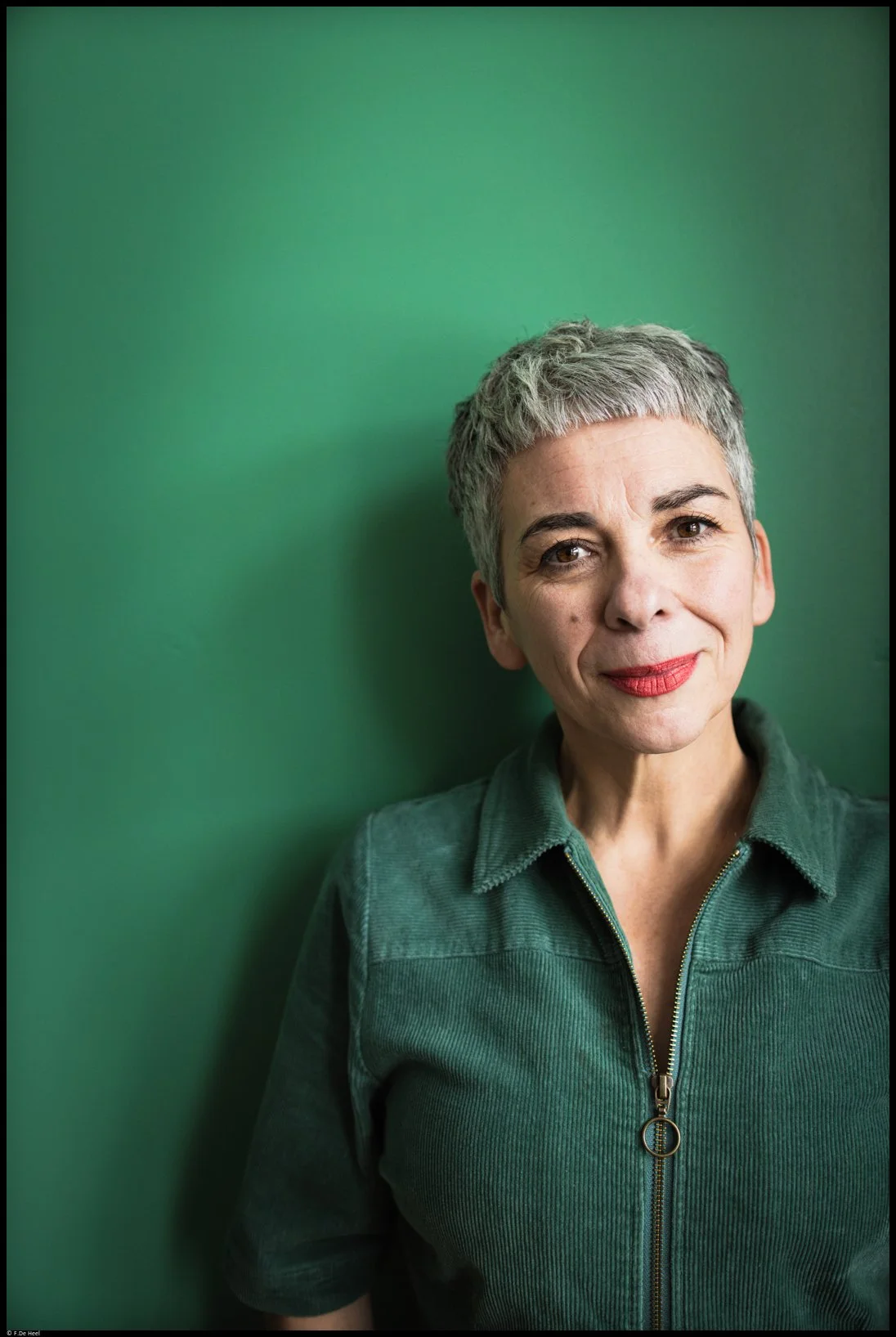
Louise Davies, Chief Executive, Scottish Fair Trade and European representative on the International Fair Trade Towns Steering Committee. She will explore the current status of the Fair Trade Towns movement, highlight inspiring achievements and innovations, examine shared challenges, and identify opportunities for strengthening our collective impact in the years ahead.
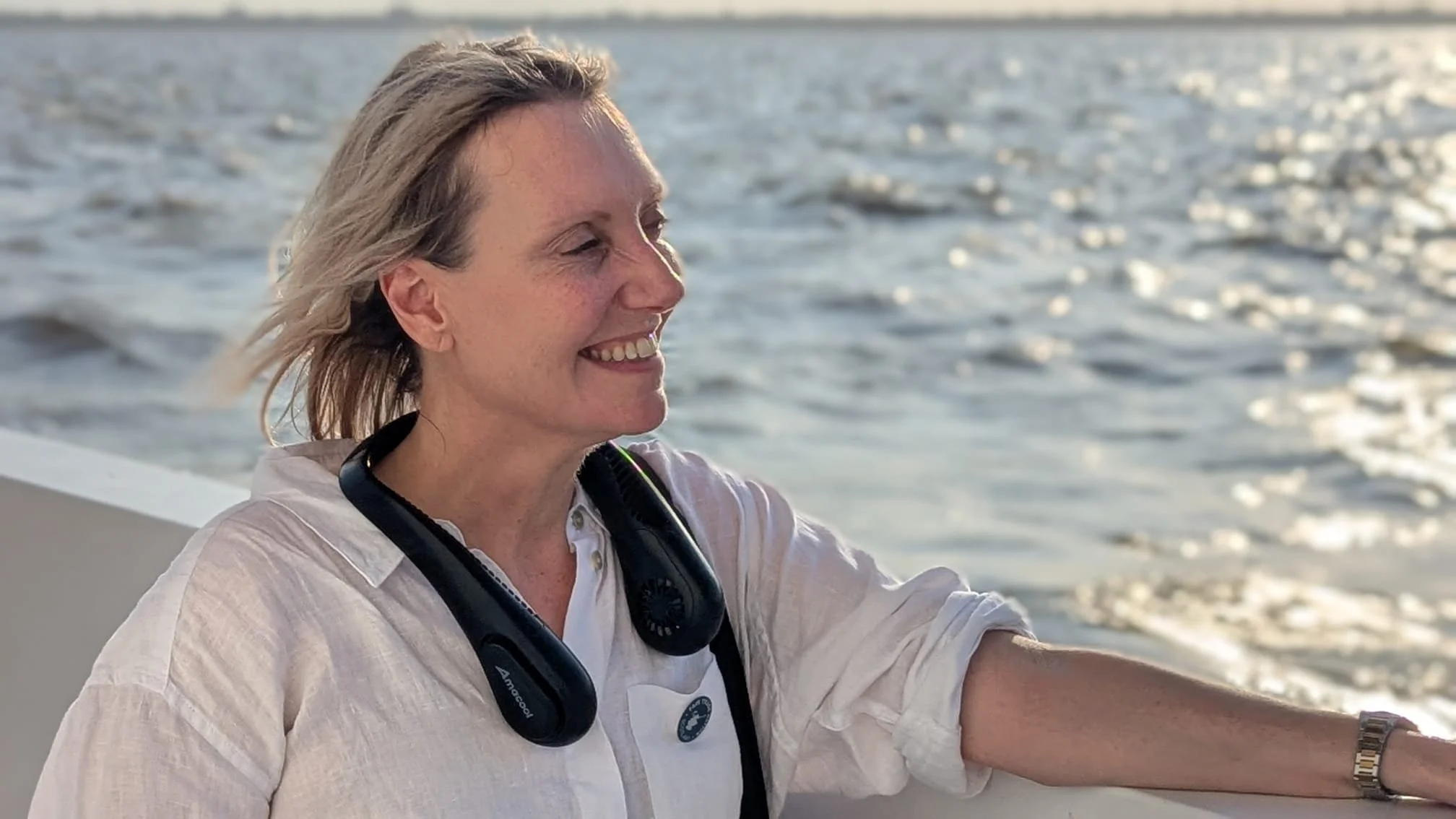
Caroline Laroye, Coordinator Communes du Commerce Equitable Wallon and Brussels for more then five years. She gives a brief historical overview of the Fair Trade Towns movement in Belgium and the challenges we face today.
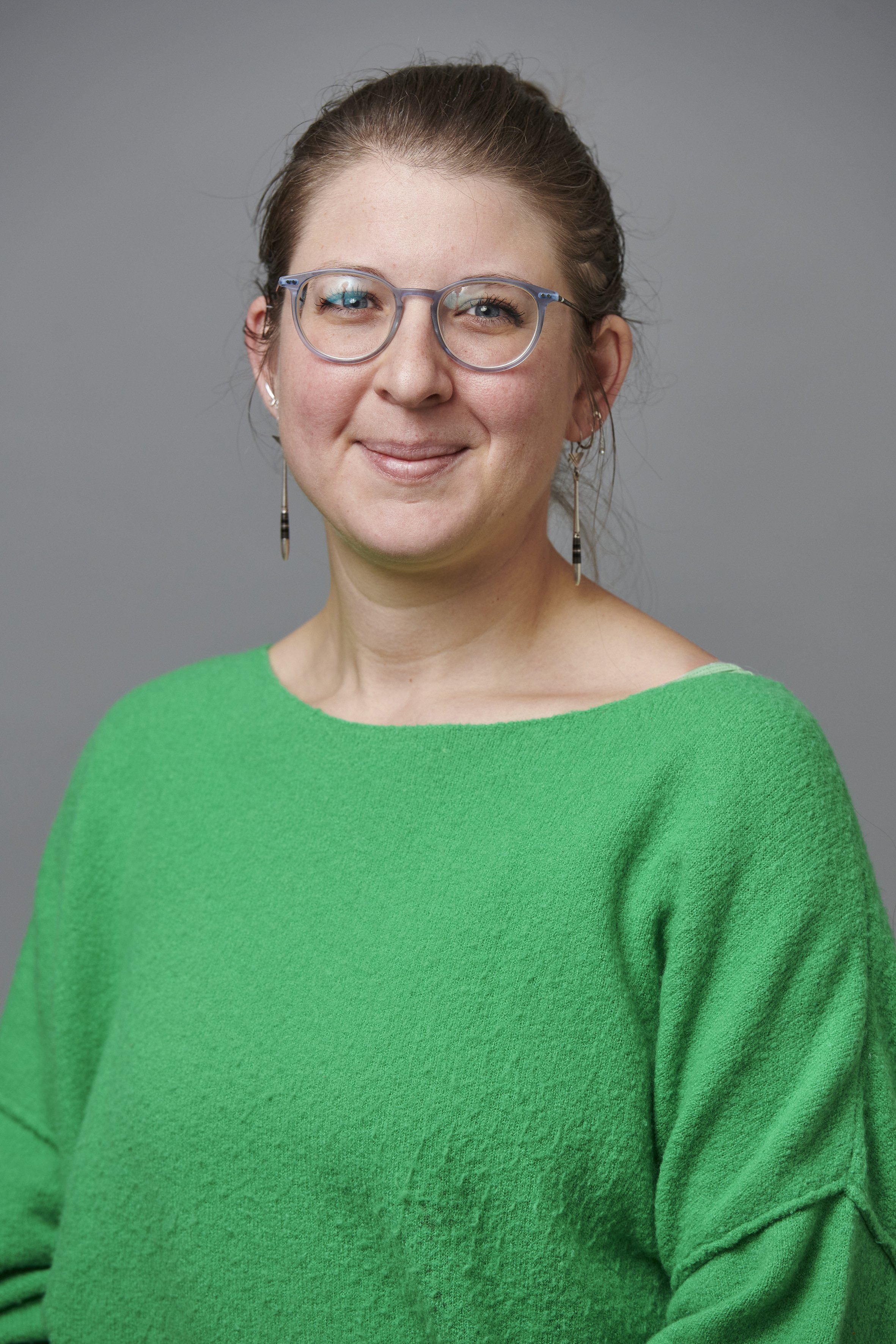
Adelaïde Charlier (25) offers a personal summary of this first day of the conference.
Adelaïde is a Belgian activist campaigning for climate and social justice strategic and development expert for the non-profit organisation ‘The Bridge’. At the age of 18, she co-founded Youth For Climate Belgium. Through this experience, she has developed skills in mobilisation, coordinating movements, debating with leaders (E. Macron, A. De Croo, A. Merkel), as well as a flair for public speaking. She has also launched various campaigns over the past few years, such as co-founding the LookDown collective. After three years as a special adviser to the former Vice-President of the Commission, Frans Timmermans, on the Green Deal, Adélaïde specialised in European politics at the College of Europe in Bruges, where she is exploring how strengthening democracy can help resolve the climate crisis.
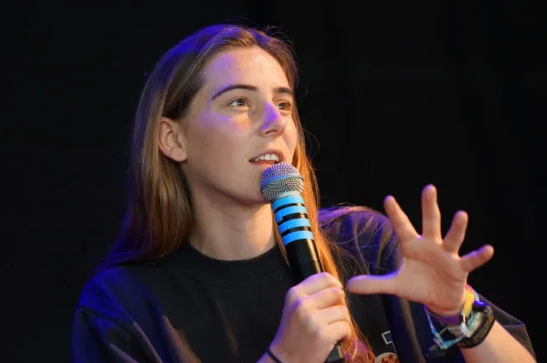
We’ll round off this opening day of the conference with a festive reception.

Saturday 10 october
〰️
Saturday 10 october 〰️
8:00 – 18:00: Field visit to a Belgian Fair Trade Town
Location: Central Station Brussels - coach to FTT
The Fair Trade Towns International Conference invites you to a day full of discoveries and discussions in Namur, Brussels (FULL) or Ghent (FULL). When you register, please let us know which city you would like to visit.
Insight into each city’s commitment and strategy as a Fair Trade Town
Workshops, visits and good practices linked to the five international criteria, the sixth Belgian criterion (local sustainable food) and the Flemish ‘next level’ (fair trade beyond food and crafts)
Included: coffee breaks and lunch
A coach will be provided to take you from Brussels to the town of your choice.
19:00 – 22:00: dinner and a social activity in Wolf
(Sharing Food Market)
Location: Wolvengracht 48C in 1000 Brussel
Fieldtrip
Choose a city
Namur
We start with an introduction by Stéphanie Scailquin (the councillor for the City of Namur responsible for Fair Trade Towns and Stéphane Vincent, director of Ethiquable.
Visit to Ethiquable cooperative (fair trade immersion) including a tour to the chocolate factory, the warehouse and the shop.
Lunch: fair trade meal at Le Perron de l'Ilon, a Fair partner of Namur.
Afternoon exploration of your choice:
Sustainable food exhibition at the NID (VR, animations, participatory activities) (French and English versions). This interactive and immersive space invites visitors to reflect on the major challenges of the transition – such as food, energy and lifestyles – through engaging tools like virtual reality, animations and participatory activities.
MusAfrica - Belgium & Central Africa perspectives (French and English versions). More than just an exhibition of objects, it is a dynamic narrative that invites visitors to explore, understand and question the links between Belgium and Africa, Central Africa in particular.
Finally, join a Fair Trade walking tour in Namur city centre to discover the fair trade partners.
Brussels (FULL)
Plenary discussion on fair trade & sustainability in local policy – at MAD Brussels (Museum of Art and Design)
Lunch: eco-friendly seasonal lunch at MAD
Afternoon workshops of your choice:
Resist Fast Fashion – with achACT ASBL
Working with Volunteers – with Oxfam Wereldwinkel Anspach
Economic Justice – with Oxfam Solidarity Belgium
Ghent (FULL)
We start with an introduction by Hafsa El-Bazioui (deputy mayor of the city of Ghent) and Jonathan Janssens (coordinator of Gent Fair Trade).
Morning sessions (you have to make a choose). All tracks combine a site visit, field experience or workshop with an interactive session, creating space for reflection, and dialogue.
Young people in the lead for Fair Trade: visit ROAR and Ugent Fair Trade
Decolonization of Ghent and the Fair Trade Movement: fairtrade & decolonial tour through Ghent
Local policy for ethical sustainability public procurement: introduction of Fair Trade policy in Ghent and Europe
Local food policy & food cooperatives: Hungry for Ghent (guided tour through Ghent)
Involving refugees and migrants: roundtable talk with Fairtrade Lebanon and MADE51
Lunch: fair trade seasonal lunch at the Mondiaal Huis.
We’ll explore furter the same topic you chose in the morning:
Young people in the lead for Fair Trade: roundtable talk with Green office Ghent and others
Decolonization of Ghent and the Fair Trade Movement: names tbc.
Local policy for ethical sustainability public procurement: roundtable talk with Electronics Watch and Swedwatch
Local food policy & food cooperatives: names tbc.
Involving refugees and migrants: coffee workshop by Komaf Koffie a project from Oxfam Wereldwinkel Gent-centrum
Plenary roundup session at Mondiaal Huis.
Sunday 11 october
〰️
Sunday 11 october 〰️
9:00–10:00: registration, refreshments, networking
10:00–11:00: keynote speeches by inspiring and critical voices on the current state of the global solidarity, the impact of Fair Trade and why we must join forces with other movements.
Sara Kinsbergen, researcher at the Rabout University Netherlands: Local action for global cooperation and solidarity. The power of local authorities and citizens.
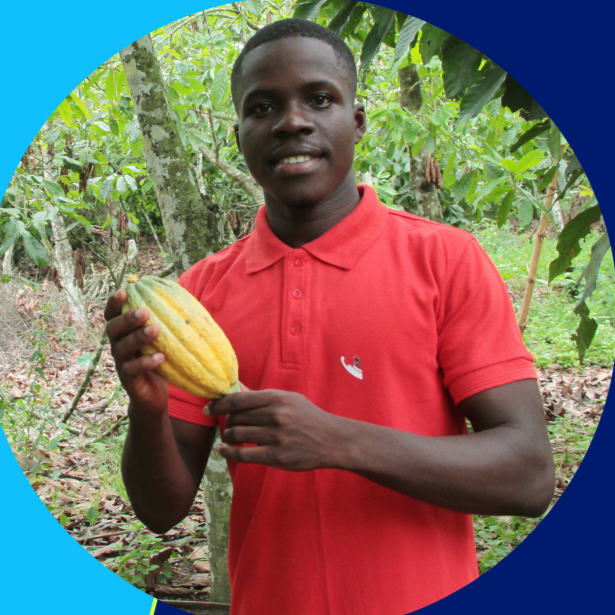
Felix Tetteh, a young cocoa producer based in Ghana. He is a member of the Asetenapa Cooperative and a Fairtrade Ambassador: The impact of Fair Trade on the lives of many.
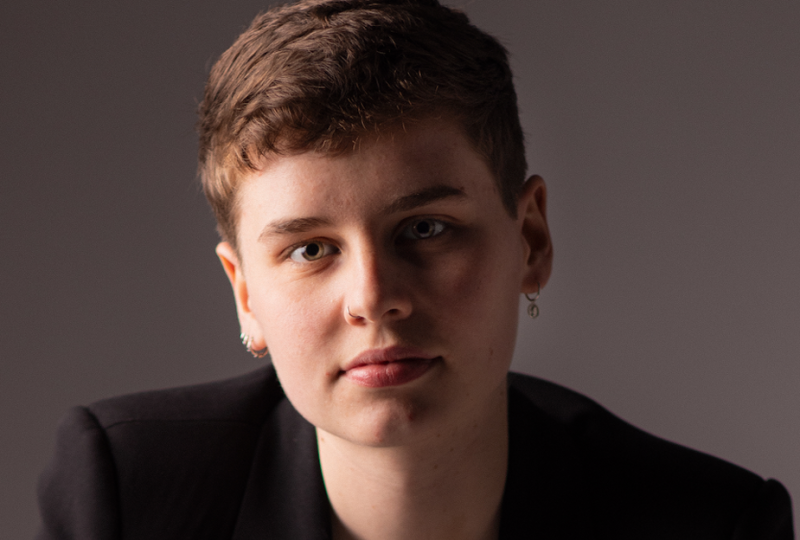
Anuna De Wever - Van der Heyden, activist (Flanders) with the grassroots collective HOTM, author of 'Let’s Be Honest' and executive producer of the documentary 'The Cost of Growth': Activism as a driving force for a fairer world. Time for a movement of movements.
11:00 – 13:00: Workshop Session 1
8 different workshops, talks and practical sessions to choose from:
-
With Cacao Quest, the Belgian development agency Enabel, together with Tadam, a theatre company specialised in educational theatre, created a performance to raise awareness among young people (16+) about the social and environmental impact of our consumption choices.
Please note: the performance is in French.
No translation or subtitles will be provided. -
In 2026 it can feel as if the whole world is on fire: conflicts on every continent, a climate crisis with growing human cost, poverty still shaping lives, migration becoming a dangerous and sometimes life-threatening route, and human-rights violations occurring day after day.
With:
Soraya Namavar & Rosalie Buytaert
(Oxfam Belgium)Mancoba Lwazi Mtsetfwa
(KDDPFF, Eswatini)Lisa Herrmann & Barbara Fischer
(Fairtrade Germany)Green Team
(VUB, Brussels, Belgium)Cedric Beerten
(FIAN)
-
How fair are you, really? In this interactive session we’ll explore Fair Trade, global citizenship and human rights, look at how the fashion and food industries affect the climate, and discover the positive influence we can have as consumers through the choices we make.
With:
Esmei van der Kleij
(Young & Fair Netherlands)
-
In Flanders, the Fair Towns network works with a 7th criterion, the so called Next Level. It challenges municipalities that already perform strongly on fair food and fair crafts to go further in ethical policy and public purchasing. Think fair banking, fair mining and minerals, and fair ICT; areas where human rights, decent pay and environmental standards are too often ignored.
With:
Kiki Berkers
(11.11.11, Belgium)Diliara Akhmetova
(Catapa, Belgium)Sara Ceustermans
(WSM and TruStone, Belgium)Linde Stael
(ACV BIE and Trustone, Belgium)Bram Trachet
(FairFin, Belgium)
-
The Fair Trade Towns campaign began in the UK in 2000 with five criteria, which were later adopted worldwide. In 2004, Belgium was the first country to add a sixth criterion: connecting the campaign to the local food chain.
With:
Eline Mechels
(Voedsel Anders, Belgium)Hannelore Tyskens
(Rikolto, Belgium)
-
Every Fair Trade Town is looking for inspiration: to refresh its activities, connect with other sustainability themes and engage new and younger audiences. But why reinvent the wheel when others have already tested what works?
With
Elien Van Vaerenbergh
(Geel, Flanders-Belgium)Ann Masquelin
(Beveren-Kruibeke-Zwijndrecht, Flanders-Belgium)Annabella Schwagten
(Fair Town Flanders, Belgium)Lut De Saedeleer
(Balen, Flanders-Belgium)Clara Delucis
(Fairtrade Belgium)Tom Hamerlinck
(Evergem, Flanders-Belgium)Inge Bongaerts
(Jette, Brussels-Belgium)
-
Local authorities can strengthen global solidarity and mutual understanding between citizens by sharing knowledge and good practices on sustainable development and inequality. They make global challenges tangible and relevant for local policy. Yet town twinning that starts explicitly from Fair Trade is still rare.
Read moreWith:
Oliver Onguene Ntonga (Ebolowa, Cameroon)
Nele Brewaeys
(Bruges, Belgium)Wynnie Kangwana Mbindyo & Diego Núñez
(Saarbrücken, Germany)Miriam Elizabeth Pérez Zelaya
(Honduras)Sophie Tack
(Oxfam Magasins du Monde, Belgium)
-
This session is built around a photo exhibition by Oxfam Magasins du Monde, created as part of its 2025–2026 adult education campaign. The exhibition explores gender-specific challenges and shows how Fair Trade can be a lever for women’s empowerment. At a time when women’s rights are increasingly being called into question around the world, it celebrates those who work every day to defend dignity, equality and social justice. Step into twenty personal stories, twenty women’s perspectives that reveal the often-unseen faces of Fair Trade.
Read moreWith:
Akono Mbida Jeannette Essono
(Cameroon)Shamsiya Shamsiddinova
(Tajikistan)Rita Roselin Costa (Bangladesh)
13:00–14:30: lunch and networking
14:30–16:30: Workshop Session 11
8 different workshops, talks and practical sessions to choose from:
-
For fair traders and activists who work on this theme every day, the impact of Fair Trade on people’s lives here and elsewhere, can feel self-evident. But when we enter the debate with (local) policymakers who question Fair Trade or global solidarity altogether, it isn’t always easy to respond with concrete stories and figures.
With:
Marceline Budza
(Democratic Republic of Congo)Felix Tetteh (Ghana)
Shamsiya Shamsiddinova
(Tajikistan)Paloma Jiménez Martín (Spain)
-
Our Fair Trade movement needs a new generation. But how do you inspire young people and young adults to choose Fair Trade, and to get actively involved in your Fair Trade Town?
With:
Amy Manvell
(Fairtrade Steering Group, University of St Andrews, Scotland)Jorge Rodriguez-Redondo
(Fair Future Programme of Commerce Équitable, France)Naomi Musella
(Next Generation Fair, Veneto Region in Italy)Hannes Deryckere & Gody Boyon
(Fair Enough programme of Studio Globo, Flanders -Belgium)Valentina Jüngert & Ben Telford & Magdalena Herzing
(Youth Ambassadors for Fair Trade in the Metropolitan Region Nuremberg, Germany)&
-
How fair are you, really? In this interactive session we’ll explore Fair Trade, global citizenship and human rights, look at how the fashion and food industries affect the climate, and discover the positive influence we can have as consumers through the choices we make.
With:
Esmei van der Kleij (Young & Fair Netherlands)
-
In Flanders, the Fair Towns network works with a 7th criterion, the so called Next Level. It challenges municipalities that already perform strongly on fair food and fair crafts to go further in ethical policy and public purchasing. Think fair banking, fair mining and minerals, and fair ICT; areas where human rights, decent pay and environmental standards are too often ignored.
With:
Kiki Berkers
(11.11.11, Belgium)Diliara Akhmetova
(Catapa, Belgium)Sara Ceustermans
(WSM and TruStone, Belgium)Linde Stael
(ACV BIE and Trustone, Belgium)Bram Trachet
(FairFin, Belgium)
-
The Fair Trade Towns campaign began in the UK in 2000 with five criteria, which were later adopted worldwide. In 2004, Belgium was the first country to add a sixth criterion: connecting the campaign to the local food chain.
With:
Eline Mechels (Voedsel Anders)
Hannelore Tyskens (Rikolto)
-
Local authorities can strengthen global solidarity and mutual understanding between citizens by sharing knowledge and good practices on sustainable development and inequality. They make global challenges tangible and relevant for local policy. Yet town twinning that starts explicitly from Fair Trade is still rare.
With:
Oliver Onguene Ntonga(Ebolowa,Cameroon)
Nele Brewaeys(Bruges, Belgium)
Wynnie Kangwana Mbindyo & Diego Núñez
(Saarbrücken, Germany)Miriam Elizabeth Pérez Zelaya
(Honduras)Sophie Tack
(Oxfam Magasins du Monde, Belgium)
-
This session is built around a photo exhibition by Oxfam Magasins du Monde, created as part of its 2025–2026 adult education campaign. The exhibition explores gender-specific challenges and shows how Fair Trade can be a lever for women’s empowerment. At a time when women’s rights are increasingly being called into question around the world, it celebrates those who work every day to defend dignity, equality and social justice. Step into twenty personal stories, twenty women’s perspectives that reveal the often-unseen faces of Fair Trade.
With:
Akono Mbida Jeannette Essono
(Cameroon)Shamsiya Shamsiddinova
(Tajikistan)Rita Roselin Costa Bangladesh

16:30–17:00: coffee break and refreshments
17:00–18:00: closing ceremony of the conference
with a look back at the past few days
the announcement of the next conference and host city/region/country
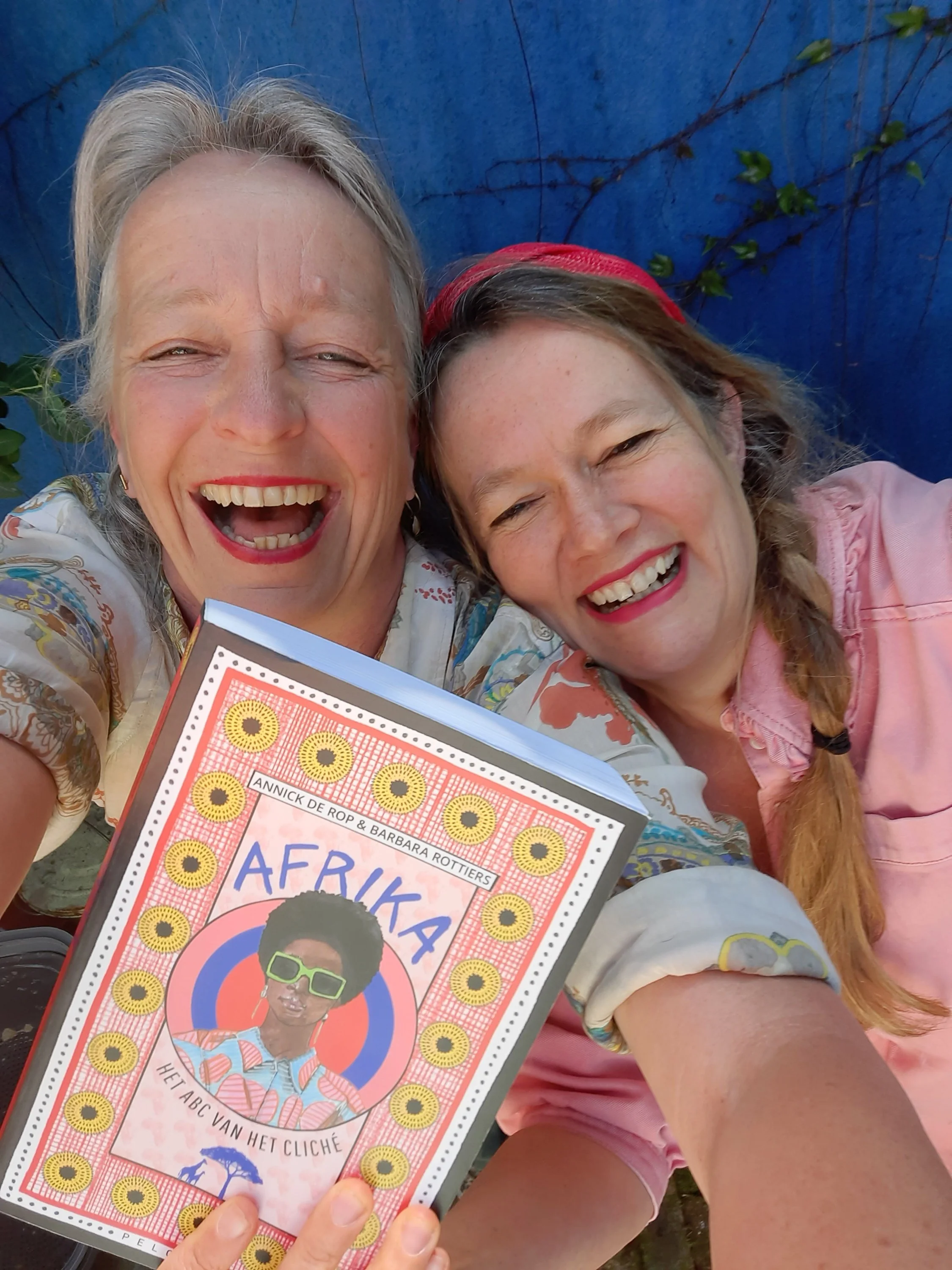
Belgian authors Barbara Rottiers and Annick De Rop their concluding reflections on the conference.
Their perspective is informed, among other things, by their travels through Tanzania with their Storysnapper storytelling machine and their illustrated book Africa: The ABC of the Cliché. They share a mission to refine our ‘northern’ perceptions of Africa. In their conclusion, they will therefore speak their minds freely and openly, recounting and illustrating what they have heard and seen during the conference.
18:00: end of the conference