#1 The impact of Fair Trade on communities an individual lives
For fair traders and activists who work on this theme every day, the impact of Fair Trade on people’s lives here and elsewhere, can feel self-evident. But when we enter the debate with (local) policymakers who question Fair Trade or global solidarity altogether, it isn’t always easy to respond with concrete stories and figures.
This session opens with Café Origen, a short documentary (15 minutes, Spanish spoken, subtitled in English), by our Spanish colleagues at the NGO Solidaridad Internacional País Valenciano, highlighting the voices of coffee producers in Honduras and El Salvador and exposing the inequalities that shape the global coffee chain.
We then continue the conversation with colleagues from Fair Trade co-operatives in the Global South, who share first-hand testimonies about what Fair Trade has changed in their own lives and in their communities.
At the same time, their stories reveal how fragile those gains can be in an increasingly polarised political climate: what place does Fair Trade still have in a shifting paradigm of global solidarity, where ‘return on investment’ seems to be becoming a mantra for (local and regional) governments; where Fair Trade labels risk losing visibility and credibility among a growing jungle of ‘sustainability labels’; and where governments in the Global North increasingly invest locally rather than globally. After 50 years of the Fair Trade movement, is it time for a Fair Trade revolution to challenge the prevailing profit-driven economic model or can ‘drops on a hot plate’ still help turn the machine, slowly but surely?
With contributions from:
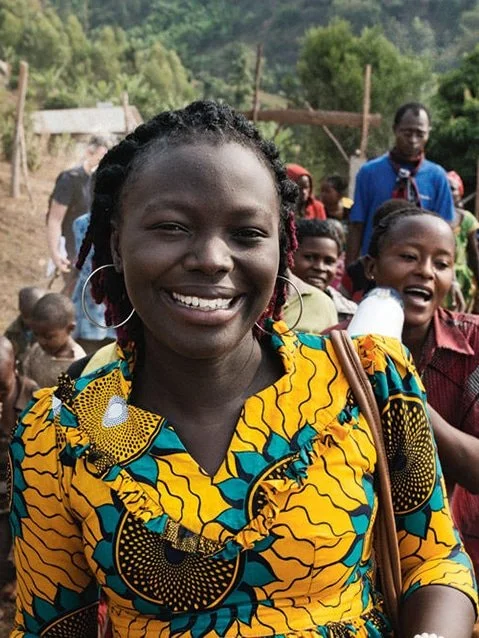
Marceline Budza is the founder and president of Rebuild women’s hope, a Women's Coffee Cooperative in the Democratic Republic of Congo. Inspired by her mother’s bravery in raising alone her and her sisters and sending them to school using the money she earned from selling coffee and pineapples, Marcelline was motivated from a young age to do something to change the situation for women and girls in eastern DRC.
Rebuild women’s hope isn’t just a coffee brand, it’s a cooperative that uses agriculture as a springboard for the self-empowerment of women and their households. It helps women to know their rights and responsibilities through several social programs and to place women at the center of the development of their community.
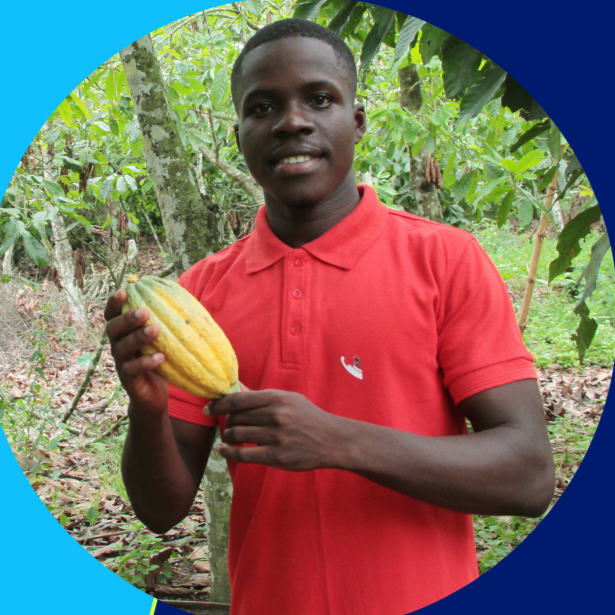
Felix Tetteh is a young cocoa producer based in Ghana. He is a member of the Asetenapa Cooperative and a Fairtrade Ambassador.
As a young farmer he wants to attain an influential position where he can advocate for the welfare of farmers across the globe, especially in Ghana. He has a dream of becoming a human rights advocate. Also, he would like to see equality in the supply chain where farmers are paid a decent living income to meet the standard of living especially in the cocoa industry and also see the world coming together to find lasting mitigation and adaption solutions to climate change and gender inequality.
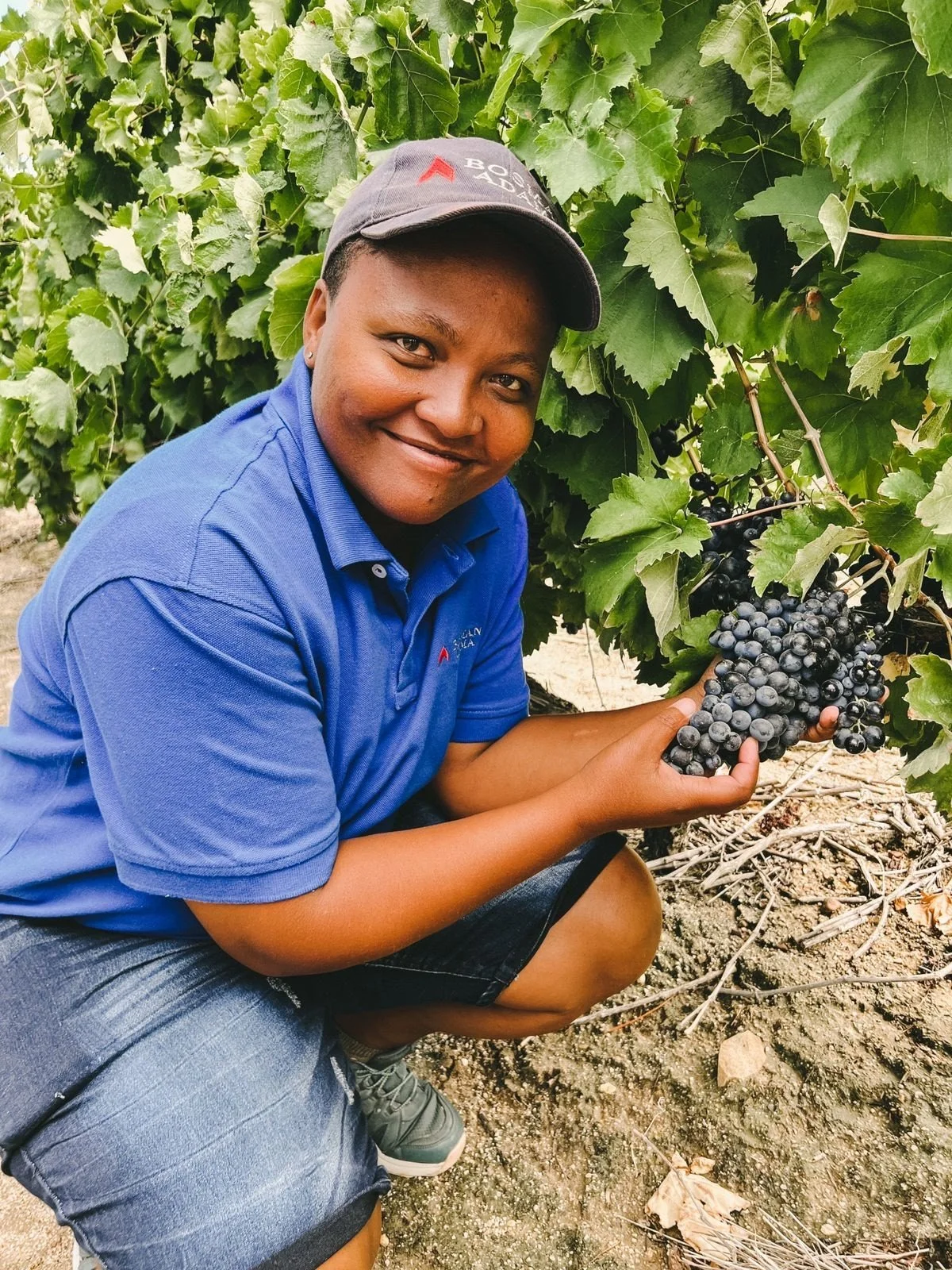
Monique Appollis (41) is a producer and member of the premium committee at Bosman Adama, a Fairtrade-certified wine estate in Wellington, South Africa. She activily participate in discussions relating to the Fairtrade premium projects ans serves as a voice for young workers within Bosman Adama. Monique contributes during the planning phase of the projects, particulary those that focus on youth development, education, skills training and recreational opportuities.
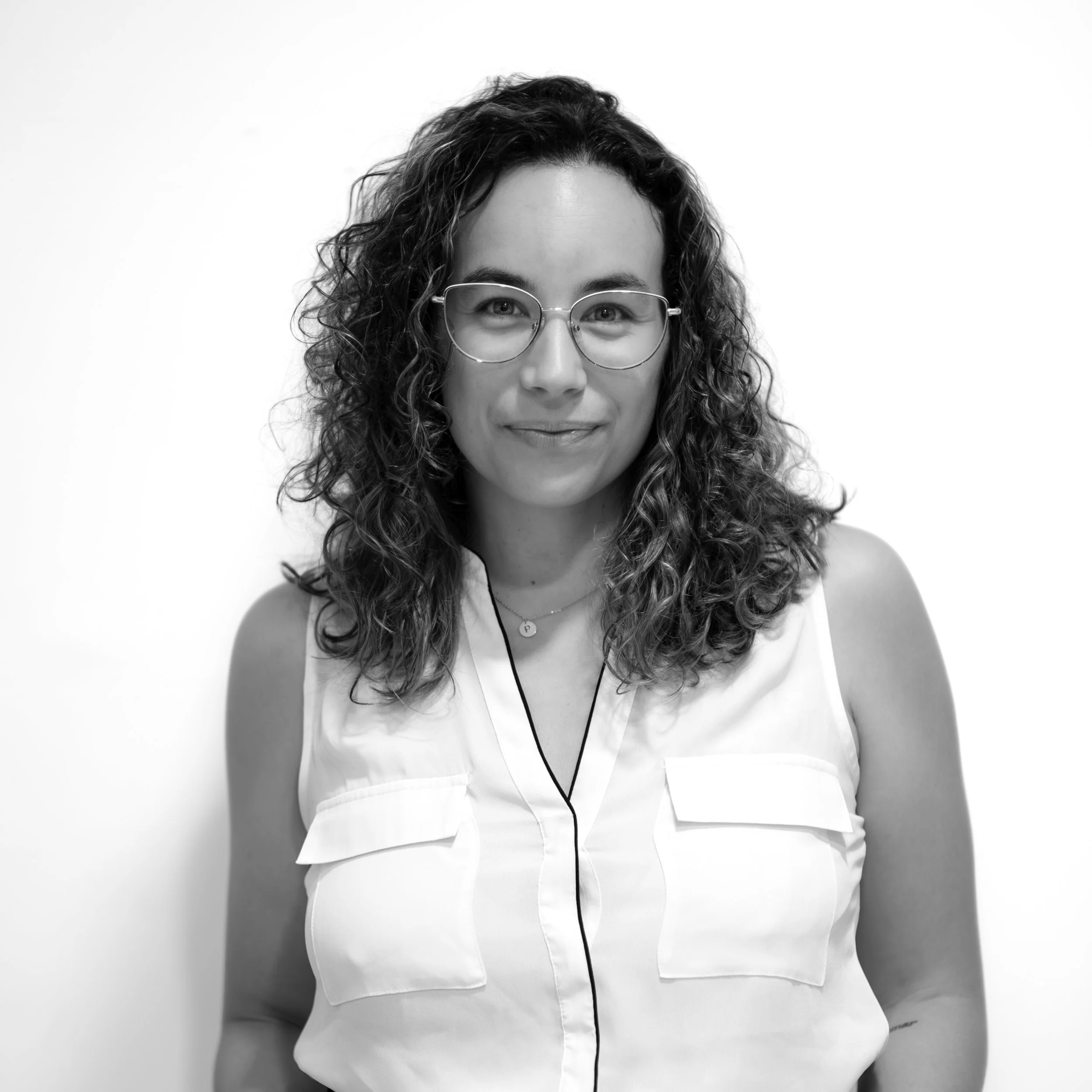
Paloma Jiménez Martín, a firm believer in the potential of Fair Trade, she has been leading the organisation Solidaridad Internacional PV (Spain) since the age of 25. Solidaridad Internacional País Valencianois an NGO with over 30 years’ experience. They have been working to promote Fair Trade in a comprehensive manner since their inception: direct sales of products, educational initiatives through artivism, policy advocacy and international cooperation in partnership with small-scale coffee producers in Honduras and El Salvador.
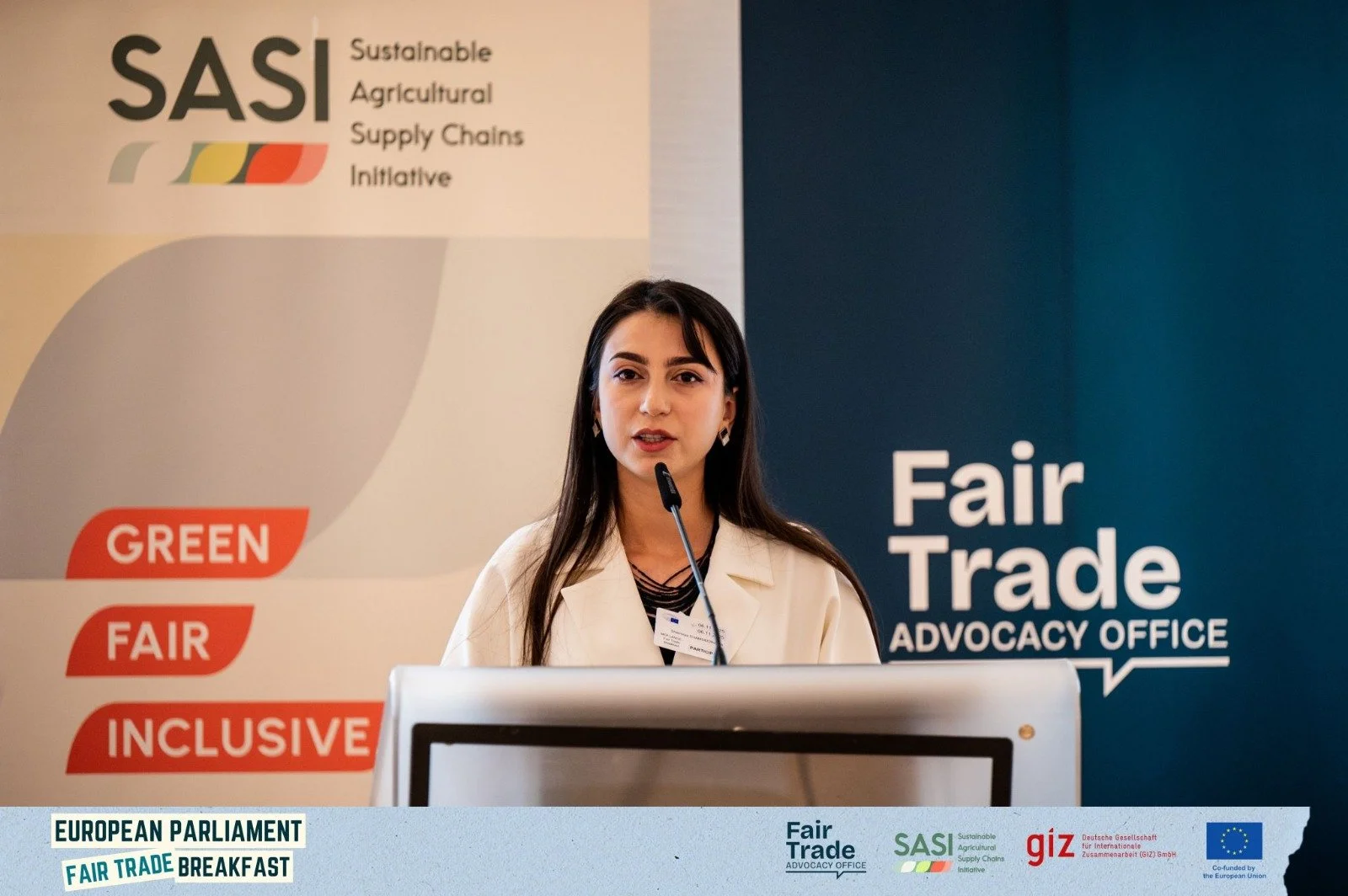
Shamsiya Shamsiddinova, PhD, is the Producers Manager of a Fairtrade cooperative in Tajikistan. She works closely with farmers and local communities to promote sustainable production, fair trade practices, and ethical supply chains. Her work focuses on empowering producers and strengthening international cooperation through fair and sustainable trade initiatives. She is passionate about rural development and creating opportunities for local producers in global markets.