#7 Town Twinning
as a driver
for Fair Trade
Local authorities can strengthen global solidarity and mutual understanding between citizens by sharing knowledge and good practices on sustainable development and inequality. They make global challenges tangible and relevant for local policy. Yet town twinning that starts explicitly from Fair Trade is still rare.
In this session, we explore several inspiring partnerships, why they have impact on both sides, and what pitfalls (and differences in perspective) to watch out for plus how attentive listening and good agreements can help prevent them.
In collaboration with:
Fair Trade City Bruges and its official twin town Ebolowa in Cameroon
Oliver Onguene Ntonga from Ebolowa (Cameroon) and Nele Brewaeys from Bruges (Flanders, Belgium) demonstrate how a town twinning partnership can develop into a powerful driving force for Fair Trade.
During this session, you will delve into their joint journey towards a sustainable cocoa and chocolate supply chain, supported by producers, chocolatiers, entrepreneurs and local residents. A fair and inspiring story about equality, opportunities, obstacles and a shared ambition towards a fair cocoa value chain.

Olivier Onguene Ntonga is a specialist in decentralized cooperation, territorial governance and fair trade in Africa. As a researcher, he studies how local authorities collaborate through the Fairtrade Towns movement and how sustainable development becomes anchored in territories. He is the focal point of the Ebolowa Fair Trade Territory initiative and contributes to structuring local value chains, especially cocoa, and integrating fair trade into public policy and international cooperation. He also supports city‑to‑city partnerships, including Ebolowa-Bruges.
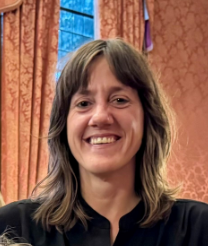
As a municipal global policy expert for the City of Bruges, Nele Brewaeys coordinates the Bruges–Ebolowa partnership with a focus on fair trade and sustainable urban development. For over two decades, she has brought global citizenship to life through campaigns, European collaborations and vibrant public events. As a connector she brings policy and people together to drive positive, tangible change.
Fair Trade City Saarbrücken and Marcala in Honduras
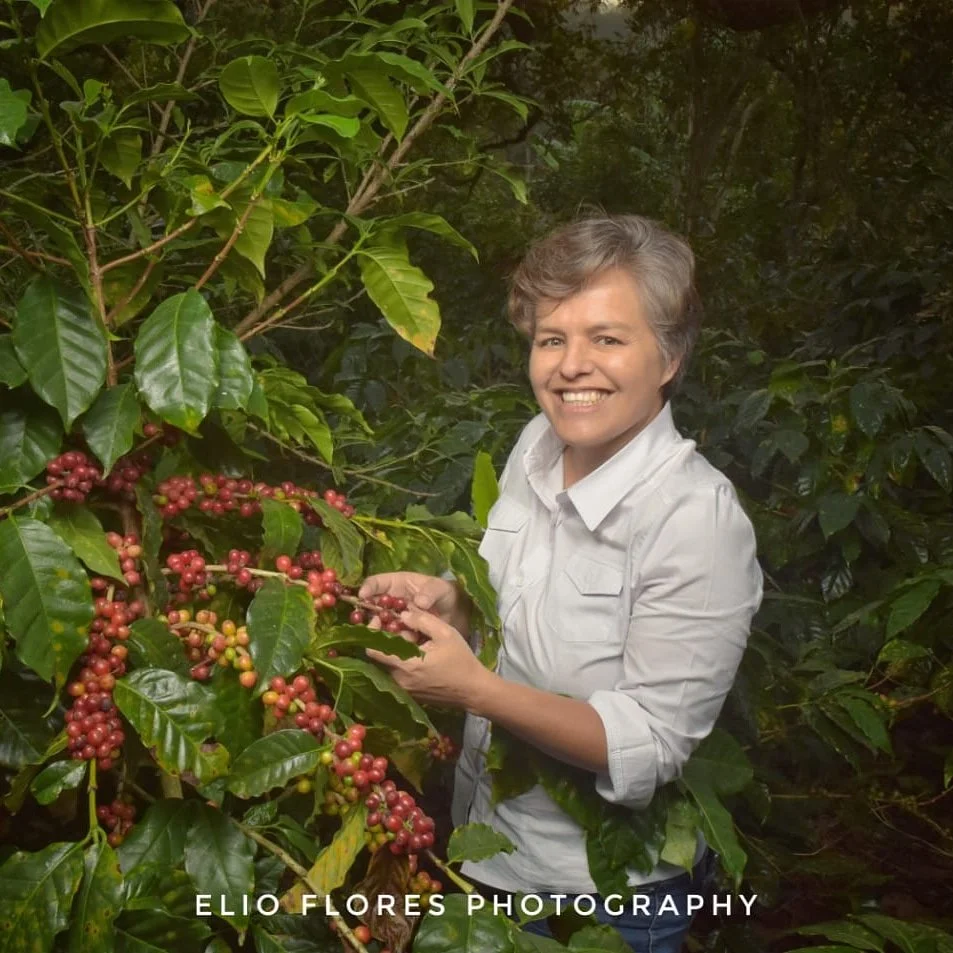
Miriam Elizabeth Pérez Zelaya is an agricultural engineer and primary school teacher in Marcala (Honduras). She is a producer of organic, biodynamic and Prana coffee and is qualified in agricultural technical advisory services, gender issues, project management, local economic development and business planning. For many years, she was responsible for Fairtrade certification at COMSA in Marcala. Her achievements in community work include founding the Coordination of Women Farmers of La Paz (Honduras), co-founding the Regional Agricultural Association for Organic Producers in La Sierra, and serving as a facilitator in the process of awarding the title “Marcala – Fair Trade City.” Today, she coordinates the Fairtrade Steering Committee of Marcala. Elizabeth Pérez has been involved in several sustainability and waste management projects in cooperation with the City of Saarbrücken.
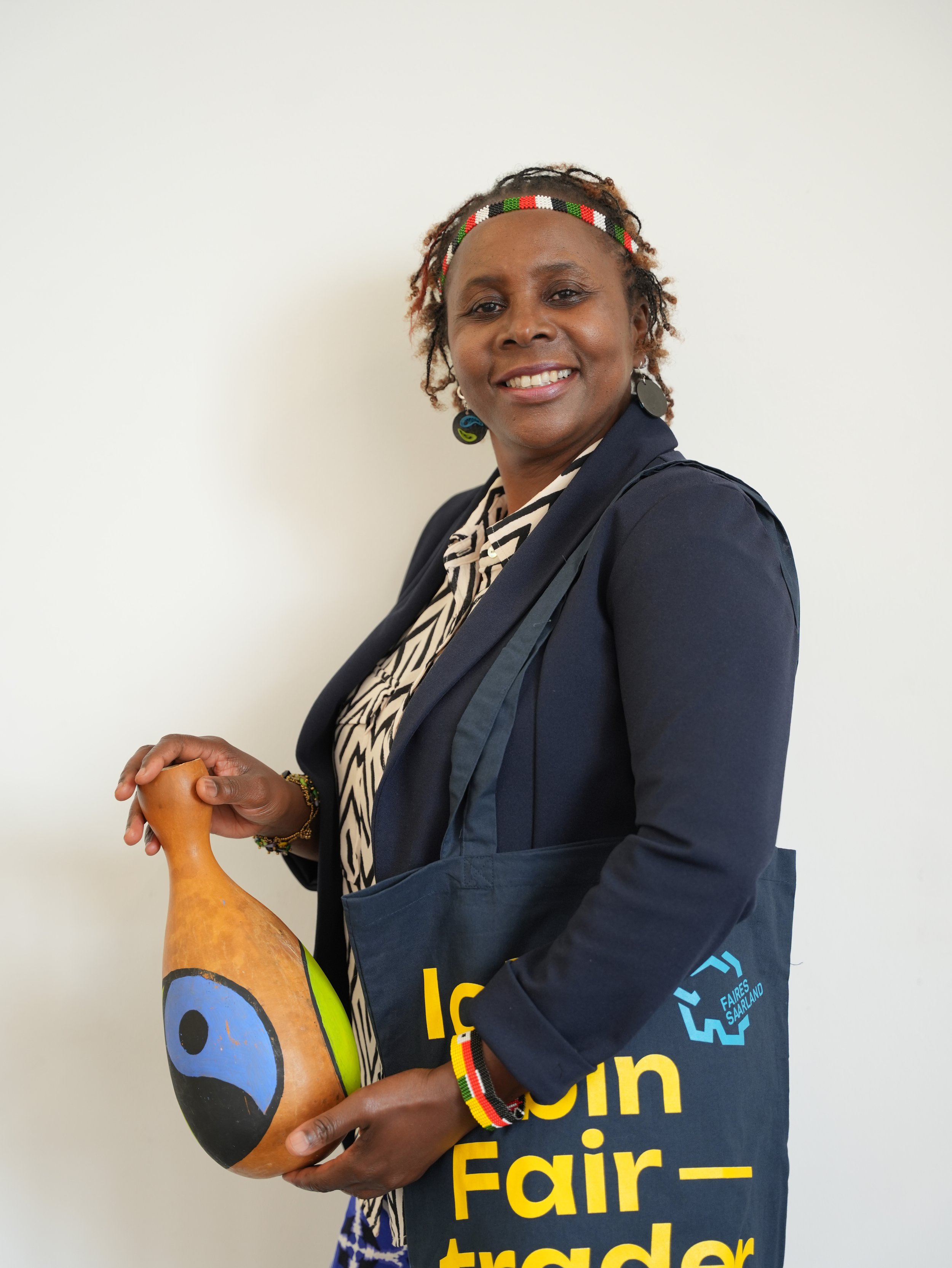
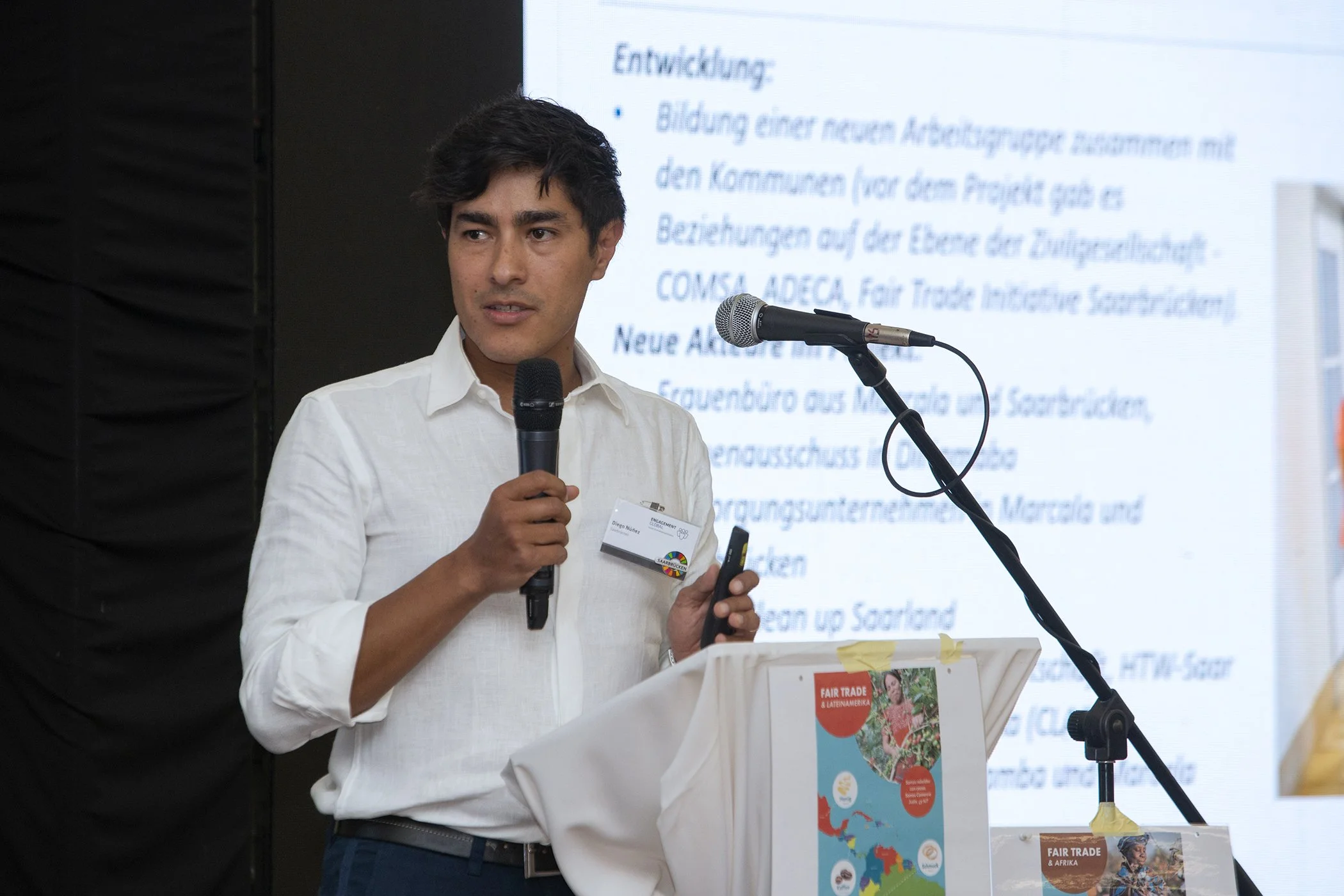
Wynnie Kangwana Mbindyo & Diego Núñez (Saarbrücken, Germany) are presenting one of the focuses of the Fair Trade movement in their city that’s building relationships with producers. They regularly organize visits to producers in Africa and Latin America. As a result, they are convinced that Fair Trade works, and they gain partners to collaborate with.
They present a case of a sustainable partnership between Marcala (Honduras) and Saarbrücken (Germany) and highlight the role of cooperation between civil society and city administrations, including its challenges and successes.
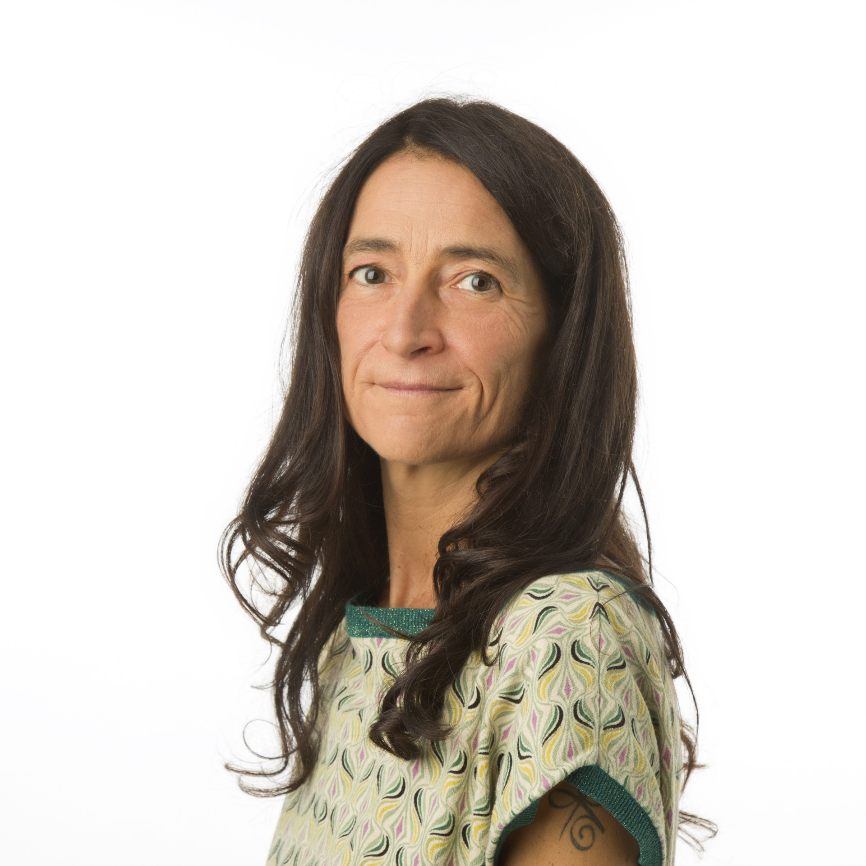
Sophie Tack is moderating this session.
Sophie works as a director at Oxfam-Magasins du monde (Belgium), where she heads the Awareness-Advocacy and Communication department. She was also a board member of the Fair Trade Advocacy Office (FTAO) for several years and chairs the Fair Trade group within Oxfam-International. In September 2024 Sophie was elected as President of World Fair Trade Organisation (WFTO), the global network of over 300 organizations committed to fair trade. She has been working in Fair Trade for more than 25 years. She studied international politics and development cooperation at Ghent University (Belgium). To her, inequalities and injustices need to be tackled, and Fair Trade is a wonderful tool to make a difference