#2 How to engage
young people (18+) in the fair trade movement?
This workshop is fully booked and can no longer be selected
Our Fair Trade movement needs a new generation. But how do you inspire young people and young adults to choose Fair Trade, and to get actively involved in your Fair Trade Town? In this session, several speakers share how they approach youth engagement in their own Fair Trade Towns. They’ll give honest insights into what worked, what didn’t, and the challenges along the way, with plenty of time for questions, discussions and practical takeaways.
With contributions from:
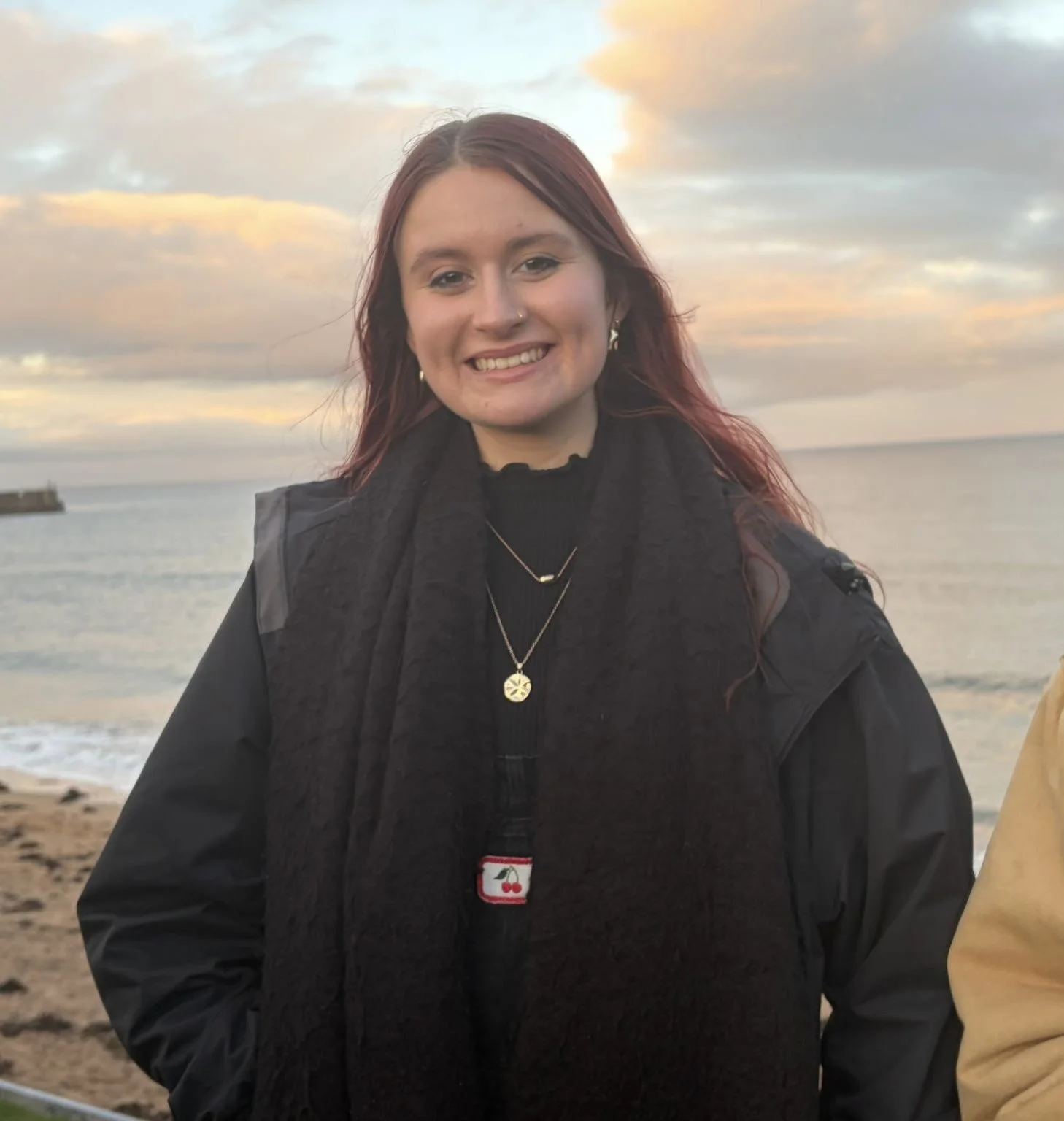
Amy Manvell (24), Sustainability Coordinator and Chair of the Fairtrade Steering Group at the University of St Andrews in Scotland, about using a campus label to engage young people.
The University of St Andrews has been a Fairtrade University since 2006, with this year marking 20 years. She will share her experience of participating in the Fairtrade University Award scheme alongside the challenges and opportunities for engaging young people with fairer systems.
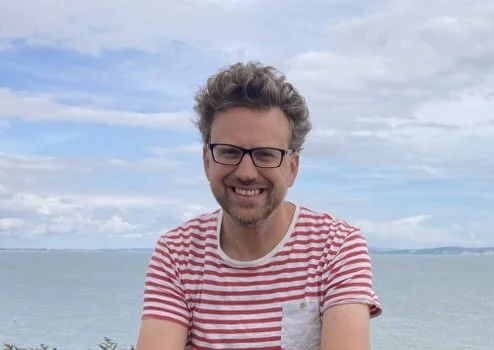
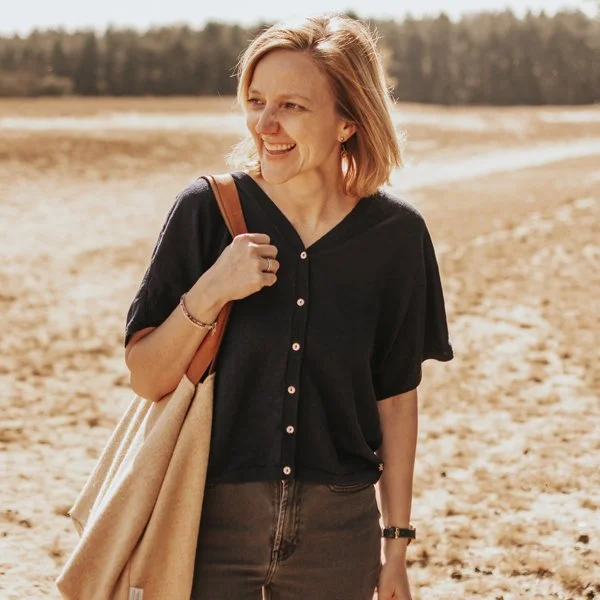
Hannes Deryckere is a historian with many years’ experience as a secondary school teacher and in teaching non-native-speaking newcomers. Gody Boyon has been passionate about sustainable entrepreneurship since 2008, with a focus on local production. Both are now working at Studio Globo (a Belgium educational NGO) and are in charche of the mobile role-playing game Fair Enough. Central to its approach is the principle of experience: pupils, students and teachers discover the world and how change is possible through hands-on learning. Fair Enough emerged from this vision: a mobile role-playing game, developed in collaboration with Oxfam Belgium and Fair Town Hasselt.
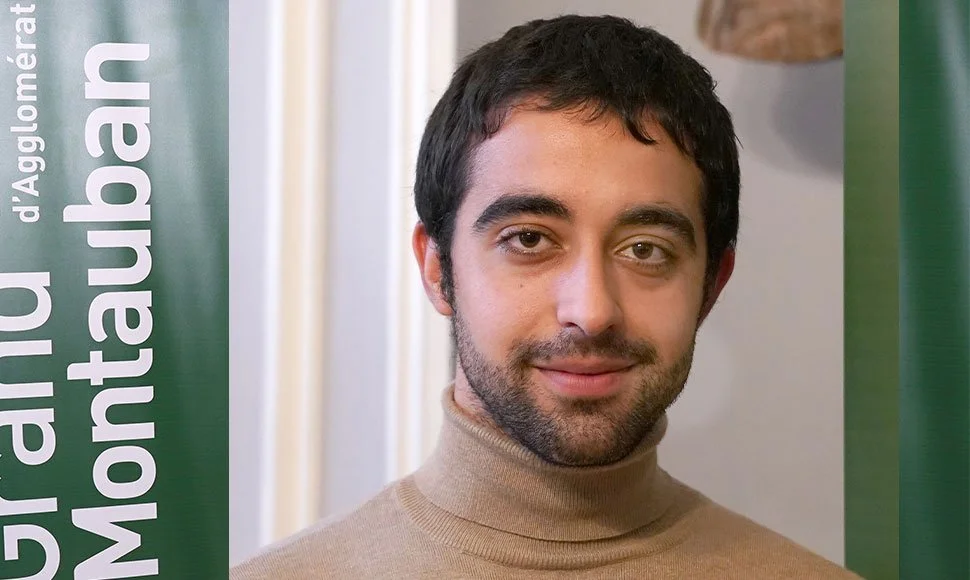
Jorge Rodriguez-Redondo (27), Education Project Officer Fair Future Programme of Commerce Équitable France, takes us to an intersectional approach for reaching different youth profiles that are distant from the ‘traditional’ or mainstream channels of formal education. Such as those from priority urban areas, rural areas, agricultural education system and youth in precarity.
FAIR Future programme structures and promotes Fair Trade Education in France to foster active citizenship among young people under 30 from all backgrounds, encouraging the emergence of solidarity-based, fair, and environmentally sustainable lifestyles and economic models.
Noemi Musella (25) is graduating in a Master's Degree in Human Rights and Multi-level Governance at the University of Padova. Noemi completed the Universal Civil Service year at the University Centre for Human Rights ‘Antonio Papisca’ within the project ‘Youth Agenda 2030: Make Yourselves Seen, Make Yourselves Heard’.
She is part of Next Generation Fair, a dynamic advocacy lab where young citizens transformed their passion for sustainability into concrete action. Through expert-led training and a creative workshop in Padua, participants drafted proposals for local administrators to champion the global Fair Trade movement. The initiative was supported by the Veneto Region (Italy).

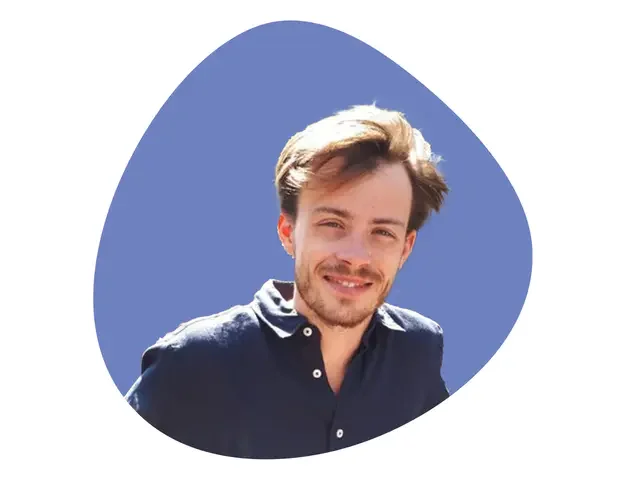
Valentina Jüngert (30) is the coordinator for Municipal Development Cooperation for the Metropolitan Region Nuremberg in Germany. Fair trade and sustainable supply chains have also been important components of her previous work at the Deutsche Gesellschaft für Internationale Zusammenarbeit (GIZ) and of her Master's degree in Agricultural and Food Economics. As of 2026 she’s coordinating the project “Youth Ambassadors for Fair Trade in the Metropolitan Region Nuremberg” for the first time across the metropolitan region.
The project empowers young people aged 16 to 22 to engage with fair trade and the Sustainable Development Goals (SDGs), on a communal level, in a hands-on and collaborative way. As a pilot initiative across five municipalities in the region, 11 participants have been selected and started working together. Through a series of networking meetings and interactive workshops, they explore topics around fair trade, sustainability, and global responsibility, while building connections and developing their own ideas for regional activities.
Ben Telford (17), City of Schwabach and Magdalena Herzing (18), Bayreuth District will be presenting the project overall and what the ambassadors have been doing in their municipalities.
Benjamin De Gols, PR and advocacy officer at Fairtrade Belgium, is moderating this session.