#8 Women at the Heart of Fair Trade (FULL)
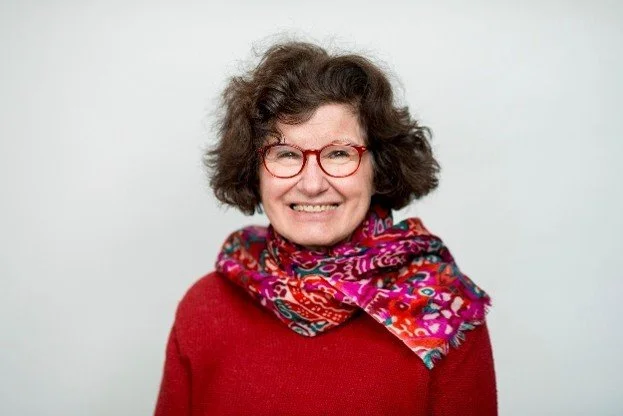
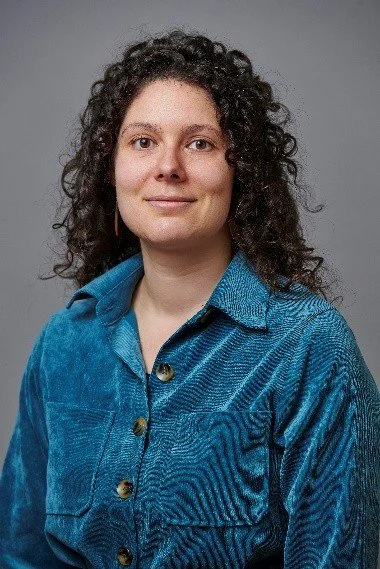
This session is built around a photo exhibition by Oxfam Magasins du Monde, created as part of its 2025–2026 adult education campaign. The exhibition explores gender-specific challenges and shows how Fair Trade can be a lever for women’s empowerment. At a time when women’s rights are increasingly being called into question around the world, it celebrates those who work every day to defend dignity, equality and social justice. Step into twenty personal stories, twenty women’s perspectives that reveal the often-unseen faces of Fair Trade.
Bridging India and Belgium, the exhibition highlights the diversity of women’s roles within this solidarity-based economy: craftswomen, directors, logistics specialists, volunteers and more. These paired portraits embody the collective strength of thousands of women committed to a fairer, more humane economy. Beyond stereotypes, discover how Fair Trade can be a pathway to empowerment, and what it tells us about gender-related challenges in our societies.
Expert guides will take you through the exhibition.
Afterwards, you’ll have the opportunity to join a dialogue with women fair traders from Bangladesh, Tajikistan and Cameroon.
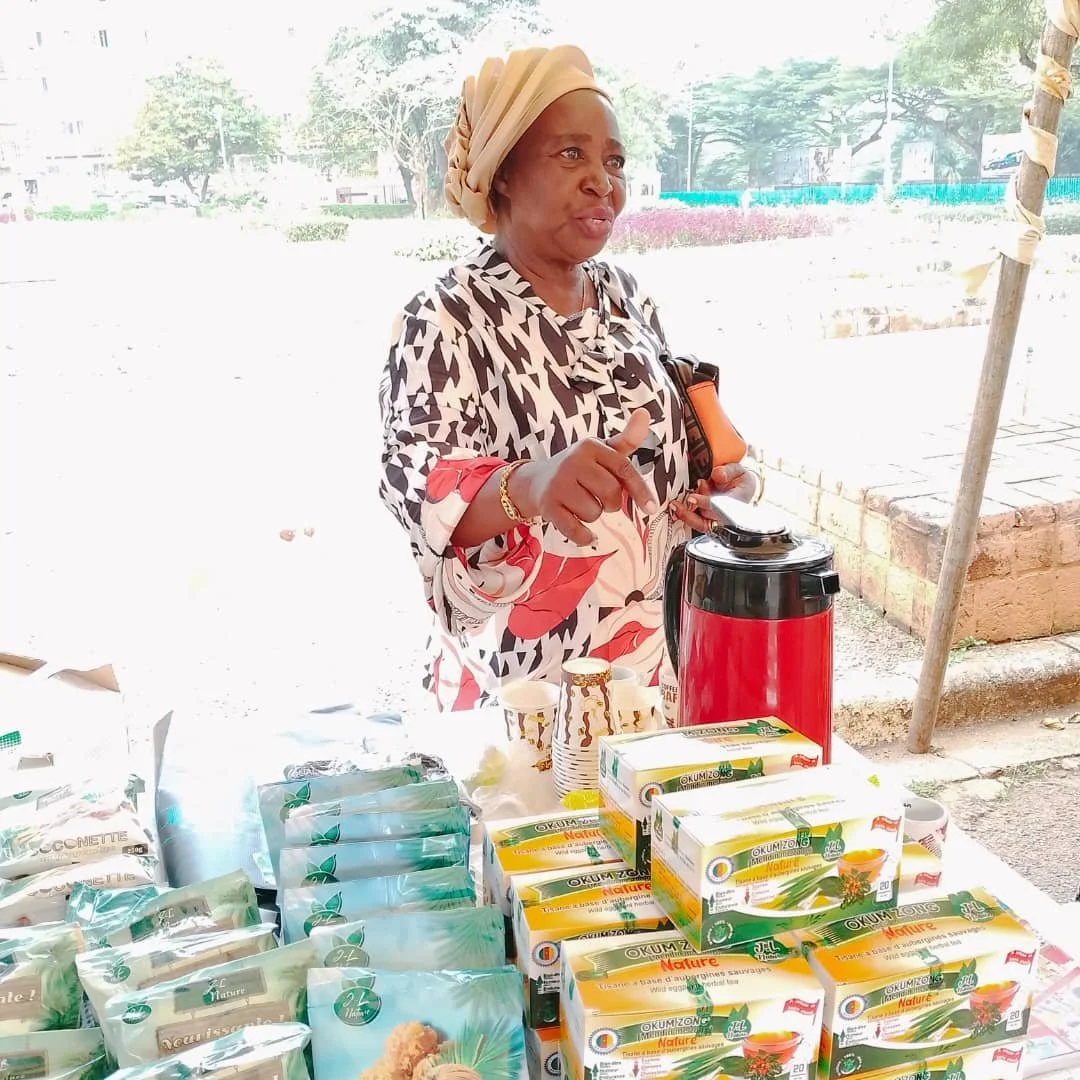
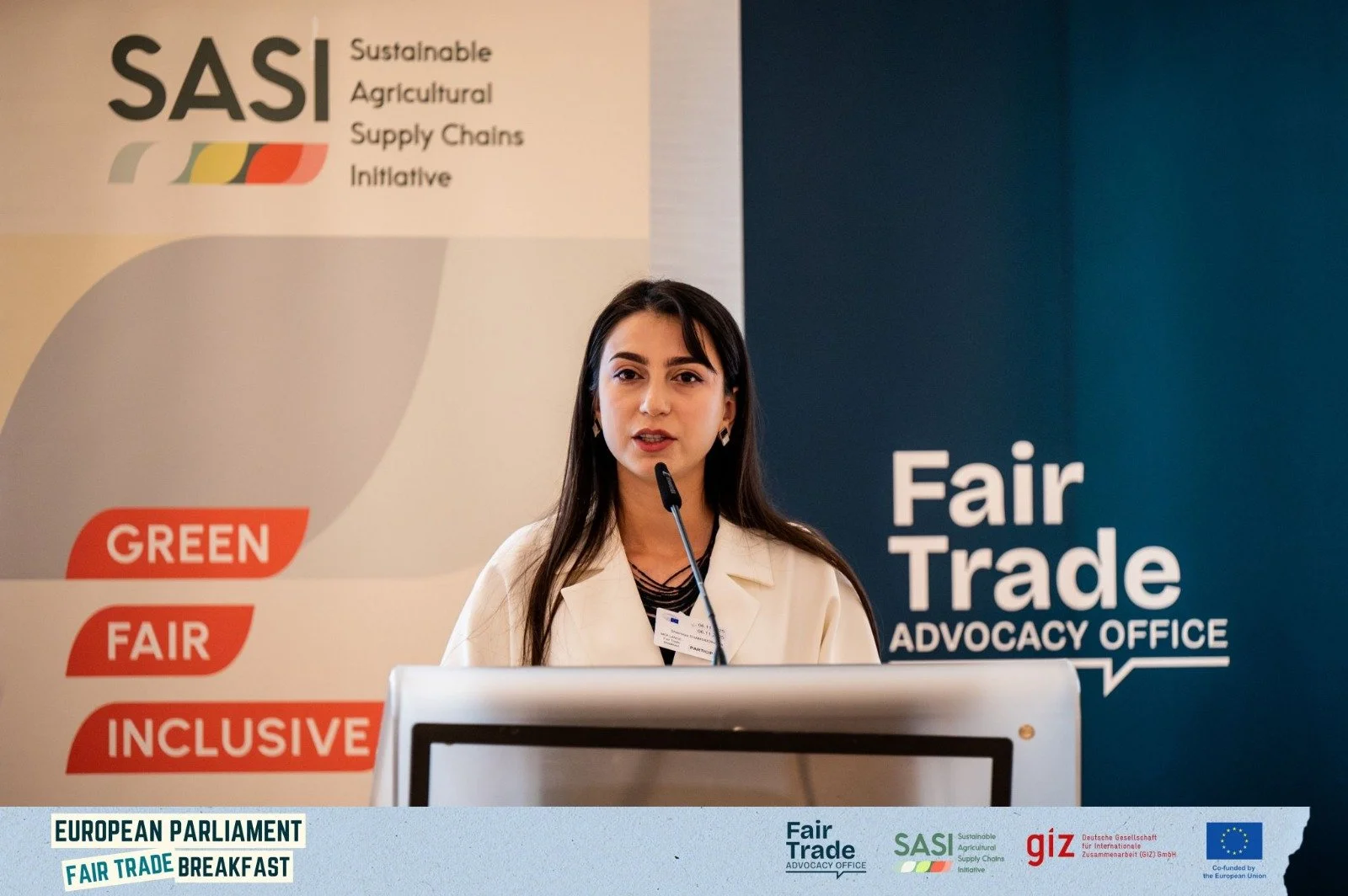
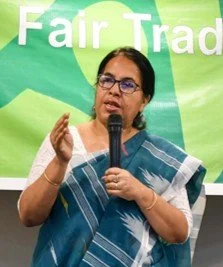
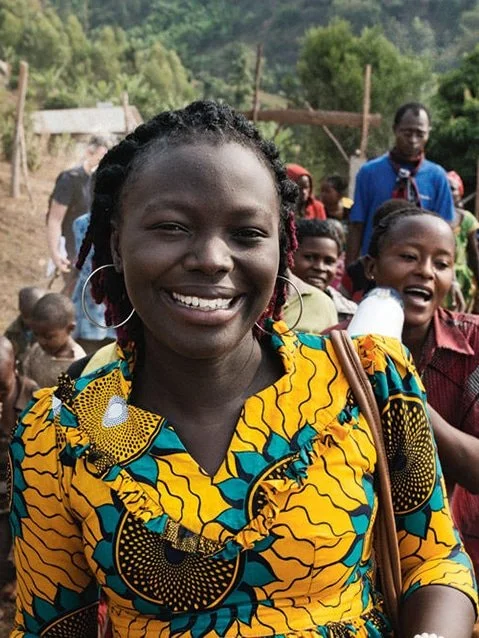
Mrs. Akono Mbida Jeannette Essono is an entrepreneur and artisan actively involved in promoting local products and fair trade initiatives in Ebolowa, Cameroon. A former employee of Camair, she turned to agriculture and cocoa processing in 2005.
Today, she develops several cocoa-based and locally sourced products while supporting producers through a Common Initiative Group (GIC) and a cooperative she helped establish. Strongly engaged in the Ebolowa Fair Trade Territory initiative, she works to promote women’s empowerment, local processing, and a more sustainable and inclusive economy.
Shamsiya Shamsiddinova, PhD, is the Producers Manager of a Fairtrade cooperative in Tajikistan. She works closely with farmers and local communities to promote sustainable production, fair trade practices, and ethical supply chains. Her work focuses on empowering producers and strengthening international cooperation through fair and sustainable trade initiatives. She is passionate about rural development and creating opportunities for local producers in global markets.
Rita Roselin Costa, the director of CORR-The Jute Works (Bangladesh). She has 28 years’ professional experience in the fields of women’s empowerment, entrepreneurship development, gender equality, the protection of vulnerable people and the generation of sustainable sources of income. She has held senior management positions at BRAC, CARE Bangladesh, Caritas Bangladesh and CORR-the Jute Works (CJW), where she led programmes aimed at improving the socio-economic conditions of marginalised communities, particularly those of women artisans. CORR-The Jute Works is a registered Fair Trade Trust of producing and marketing handicrafts. It is also a pioneer member of World Fair Trade Organization (WFTO).
Marceline Budza is the founder and president of Rebuild women’s hope, a Women's Coffee Cooperative in the Democratic Republic of Congo. Inspired by her mother’s bravery in raising alone her and her sisters and sending them to school using the money she earned from selling coffee and pineapples, Marcelline was motivated from a young age to do something to change the situation for women and girls in eastern DRC.
Rebuild women’s hope isn’t just a coffee brand, it’s a cooperative that uses agriculture as a springboard for the self-empowerment of women and their households. It helps women to know their rights and responsibilities through several social programs and to place women at the center of the development of their community. (only in the morning)
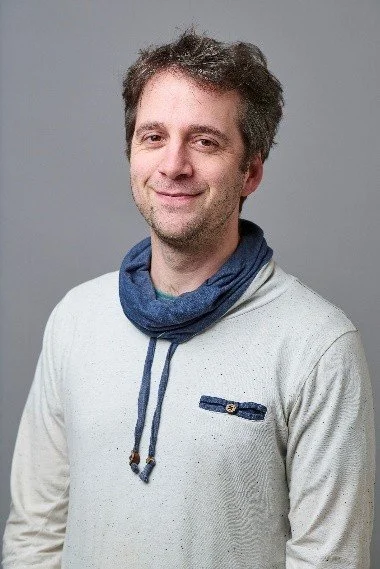
Following expert guides will take you through the exhibition:
Natalia Danailov, volunteer at Oxfam-Magasins du monde at the Watermael-Boitsfort shop since 2003, responsible for managing volunteer engagement within their team.
Claire Mathot, Campaigns Officer “Awareness-raising and mobilisation” at Oxfam-Magasins du monde.
Simon Laffineur, Campaigns Officer “Awareness-raising and mobilisation” at Oxfam-Magasins du monde.